Room-by-Room Home Improvement Planning
A practical guide for prioritizing renovations and improvements throughout your home
Understanding Your Home’s Priorities
When managing properties or planning home improvements, the question isn’t always “what to renovate first” — it’s “where does improvement deliver the most value?” We’ve worked with countless property managers and homeowners to understand how to prioritize room-by-room improvements that strengthen both your property’s appeal and its structural integrity.
The roof and exterior often top the list because they protect everything underneath. From there, kitchen and bathroom upgrades typically offer strong ROI. But every home is different. This guide walks through each room and the improvements that matter most.
Kitchen Improvements
The kitchen is often the financial heart of home value. Modern kitchens with updated appliances, quality cabinetry, and durable countertops attract buyers and tenants immediately. Upgrading from outdated appliances to energy-efficient models also reduces utility costs over time.
- High Priority: Appliances, countertops, cabinet hardware
- Medium Priority: Backsplash, lighting, flooring
- Long-term: Cabinet refacing or full renovation
Kitchen improvements typically return 50-70% of investment at resale, making them worthwhile when your timeline permits.
Bathroom Modernization
Bathrooms are the second-highest ROI area for home improvements. Modern bathrooms with updated fixtures, quality tile work, and contemporary design appeal strongly to property buyers and tenants. Moisture management and water damage prevention are equally important here.
- High Priority: Fixtures, ventilation, waterproofing
- Medium Priority: Tile, paint, lighting
- Long-term: Tub-to-shower conversions, accessibility updates
Bathroom updates return 60-80% of investment and are often appreciated more than kitchen renovations by tenants.
Exterior & Roofing Integrity
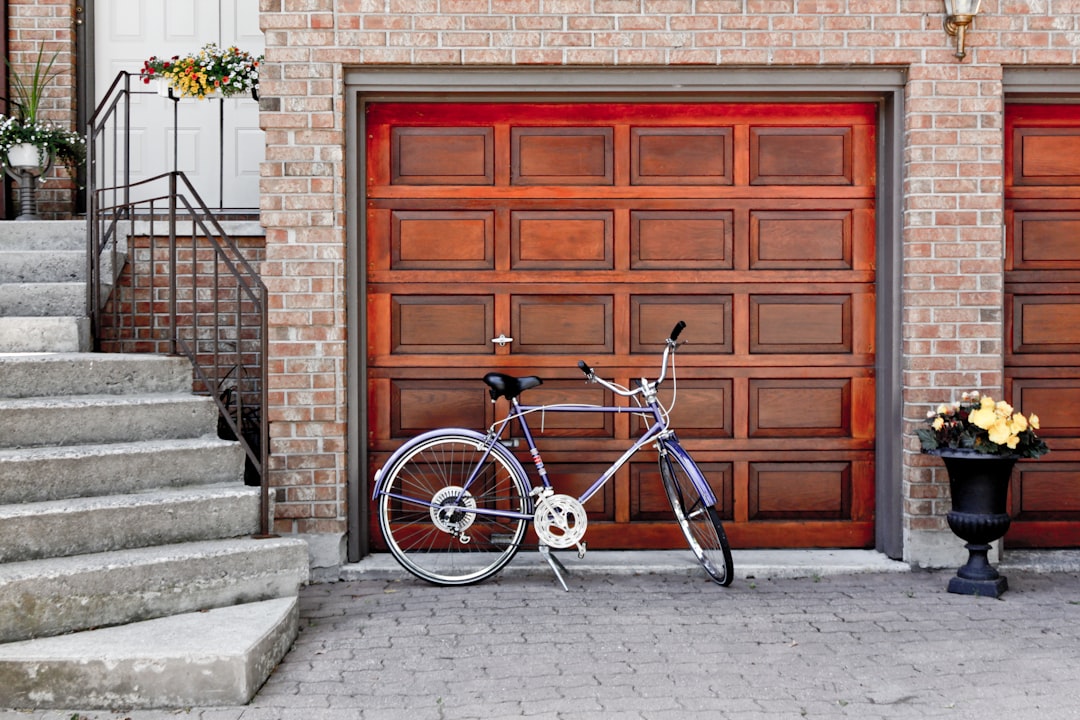
The exterior is your property’s first line of defense against weather damage. A quality roof protects everything underneath — without it, interior water damage quickly compounds costs. The roof, siding, gutters, and landscaping determine curb appeal and structural longevity.
- Critical Priority: Roof repairs, gutter maintenance, drainage
- High Priority: Siding updates, window replacement, landscaping
- Medium Priority: Paint, deck sealing, driveway repairs
Exterior work is less glamorous than kitchens, but it’s the most cost-effective investment — deferred maintenance compounds quickly into expensive problems.

Bedrooms & Living Areas
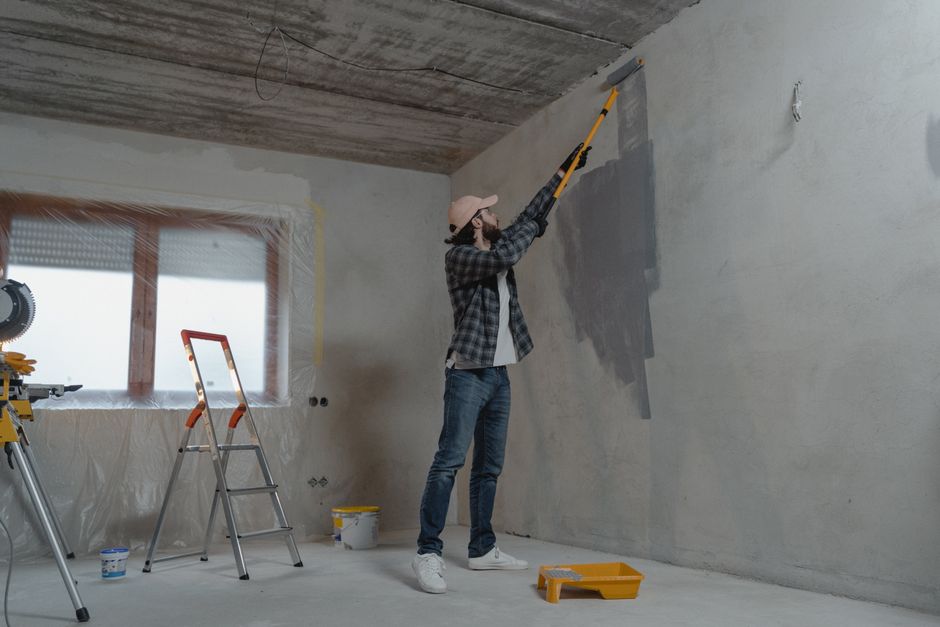
Bedrooms and living rooms benefit most from cosmetic updates — fresh paint, new flooring, updated lighting, and decluttering. These rooms don’t require structural changes to feel refreshed. Comfort and cleanliness matter more than expensive renovations in these spaces.
Priority approach:
- Quick wins: Paint, lighting, flooring (if needed)
- Medium cost: Window replacement, HVAC updates, insulation
- Long-term: Full room renovations, wall removal for open concept
Living spaces benefit more from staging and presentation than from major renovations. Fresh paint and organized furnishings often deliver better ROI than structural changes.
Prioritization Framework
When deciding where to invest in your property, use this framework:
Phase 1: Must-Fix
Safety, structural, and water damage issues. Roof leaks, foundation cracks, electrical hazards, and broken HVAC systems must be addressed first.
Phase 2: Market Drivers
Kitchen and bathroom updates that dramatically improve appeal and ROI. These investments typically recover 50-80% at resale.
Phase 3: Cosmetic Polish
Paint, flooring, lighting, and staging that enhance spaces without major structural changes. These provide quick visual impact with moderate investment.
Seasonal Timing Considerations
The season matters more than you might expect. Spring and early summer are peak contractor season — prices are higher and availability is tight. Fall offers moderate conditions. Winter is best for interior work but weather can delay exterior projects.
Spring (March-May)
Best for: Roofing, siding, landscaping, exterior paint. Caution: High demand means higher bids and longer schedules.
Fall (September-November)
Best for: Exterior work before winter, interior renovations. Advantage: More reasonable pricing than spring, good weather windows.
Winter (December-February)
Best for: Interior projects (kitchens, bathrooms, painting). Advantage: Lower costs and better contractor availability.
Next Steps for Your Property
Start with a professional assessment of your roof and exterior — these protect everything else. From there, prioritize based on safety, market impact, and your timeline. When exterior work is needed, working with skilled professionals prevents costly mistakes and ensures your property is protected for years to come.