Roof Maintenance Tips for Property Managers
Essential maintenance schedules and inspection practices to extend roof lifespan and prevent costly repairs
Why Maintenance Matters
A well-maintained roof can last 20-30 years. A neglected one fails in half that time — or less. For property managers responsible for multiple buildings, a preventive maintenance schedule is the difference between small, manageable repairs and catastrophic water damage that affects entire properties.
The key is consistency. Regular inspections catch small problems before they become expensive. Twice-yearly checks — in spring and fall — are the industry standard for identifying issues and addressing them before weather seasons begin.
According to the National Roofing Contractors Association, homeowners should schedule roof inspections at least twice a year — in spring and fall — to catch small issues before they become costly repairs.
Spring Inspection Checklist
After winter weather, spring inspection focuses on identifying ice dam damage, wind damage, and moisture intrusion.
- Shingles: Look for missing, cracked, or lifted shingles. Winter ice and wind often damage the edges.
- Gutters: Check for debris buildup, rust, and separation from the roof edge.
- Flashing: Around chimneys, skylights, and vents — ice expansion can break seals.
- Granules: Excessive granule loss in gutters indicates accelerated shingle wear.
- Water stains: Interior ceilings and walls — signs of winter leaks.
- Moss/algae: Common in spring — address early to prevent damage.
Don’t climb the roof yourself without training. Professional inspectors have the safety equipment and expertise to spot problems safely.
Fall Inspection Checklist
Fall inspection focuses on preparing the roof for winter weather and clearing accumulated debris.
- Debris removal: Leaves and branches trap moisture and promote rot. Clear gutters and roof valleys completely.
- Sealant condition: Summer heat degrades caulking and sealants. Check around penetrations and edges.
- Attic ventilation: Ensure soffit and ridge vents aren’t blocked — proper airflow prevents ice dams in winter.
- Membrane integrity: For flat roofs, check for blistering, cracking, or pooling water.
- Tree branch clearance: Trim branches within 6+ feet of the roof to prevent damage from winter storms.
- Gutter slope: Verify gutters slope toward downspouts — standing water freezes in winter.
Fall is the ideal time to address issues before winter weather arrives. Scheduling repairs in fall is typically faster and more cost-effective than emergency winter repairs.
Critical Maintenance Tasks
Gutter Cleaning & Maintenance
Gutters channel water away from your home’s foundation. Debris-clogged gutters cause water to back up, creating ice dams in winter and water damage year-round. Clean gutters at least twice yearly — spring and fall. For heavily treed properties, consider quarterly cleaning.
Flashing Inspection
Flashing — the metal around chimneys, skylights, and vents — prevents water from entering where the roof penetrates. Even small separations or rust spots allow water to seep inside. Check flashing during every inspection and reseal or replace damaged sections immediately.
Shingle Replacement
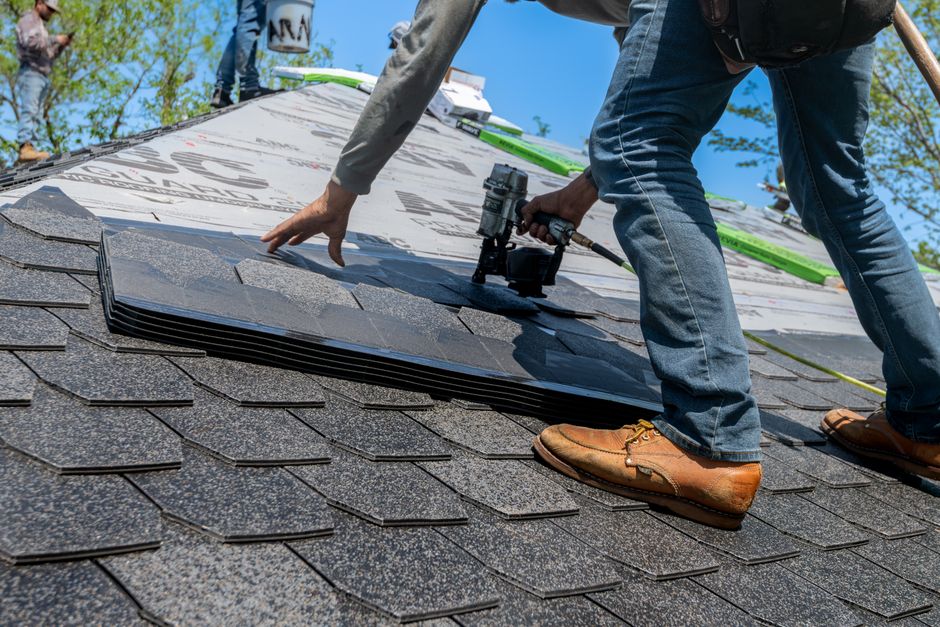
A single missing or damaged shingle can lead to water intrusion across an entire roof section. Don’t wait for small damage to accumulate. A professional can replace individual shingles before the problem spreads to the underlying decking.
Attic Ventilation & Insulation
Proper attic ventilation prevents ice dams and extends shingle life. Warm, moist air from inside the house that escapes into the attic can refreeze at the eaves, creating ice dams. Soffit vents (intake) and ridge vents (exhaust) work together to manage this moisture. Insulation also matters — it keeps indoor heat in, not warming the roof.
Material Choices & Energy Efficiency
When replacing a roof, the material you choose affects both maintenance and operating costs. Traditional asphalt shingles are affordable but require frequent maintenance. Metal roofing lasts 40-50 years with minimal maintenance. Reflective or “cool roof” materials reduce cooling costs by reflecting solar heat rather than absorbing it.
As ENERGY STAR notes, reflective roofing materials can lower surface temperatures and reduce strain on a roof system over time — one more reason routine maintenance and material choice go hand in hand.
Asphalt Shingles
Lifespan: 15-20 years | Maintenance: High (regular replacement of damaged shingles) | Cost: $ | Best for: Budget-conscious properties
Metal Roofing
Lifespan: 40-50 years | Maintenance: Low (occasional inspection) | Cost: $$$ | Best for: Long-term ownership or commercial properties
Cool Roofing (Reflective)
Lifespan: Varies by material | Maintenance: Moderate | Cost: $$+ | Best for: Energy-conscious properties in warm climates
Record Keeping & Documentation
Maintain detailed records of all roof inspections, repairs, and replacements. For property managers, this documentation proves due diligence and helps tenants understand that their roof is being properly maintained. It also protects you in insurance claims and property transactions.
Create a Roof File for Each Property
- Original installation date and contractor — Helps determine warranty status and remaining lifespan
- Material type and color — Reference for future repairs or replacements
- Warranty documentation — Key for insurance claims
- Annual inspection reports — Dated photos and findings
- All repairs and their dates — Establishes maintenance history
- Professional contractor contact info — Makes scheduling repairs easier
Digital photos from each inspection are invaluable. Timestamp them and store them with your inspection notes. When issues arise, you’ll have historical context to determine whether a problem is new or longstanding.
What to Do After Storm Damage
Severe weather — high winds, heavy snow, hail, or falling branches — can damage roofs suddenly. Here’s the response sequence:
- Step 1: Document the damage immediately with photos and video before cleanup begins. This is crucial for insurance claims.
- Step 2: If there’s interior water intrusion, place tarps or buckets to prevent additional damage while waiting for repairs.
- Step 3: Contact your insurance company and provide documentation. Many policies cover storm damage after the deductible.
- Step 4: Get professional inspection and repair estimates from licensed contractors. Don’t hire day-labor roofers you find in parking lots.
- Step 5: Coordinate with your insurance adjuster and proceed with repairs once approved.
Temporary repairs (tarping damaged areas) are necessary to prevent water damage, but permanent repairs should always be performed by licensed, insured professionals.
Maintenance is Preventive Investment
Regular inspection and maintenance cost far less than water damage restoration or emergency roof replacement. Two inspections per year, consistent gutter cleaning, and prompt attention to small repairs will extend your roof’s lifespan and protect your property’s value. The investment in prevention always pays dividends.